Christmas Snowman Funny: A Designer's Real-World Embroidery Review
When I first opened the file for Christmas Snowman Funny, my initial reaction wasn't about the festive cheer, but about the practicality of the layout. As someone who spends hours testing digital assets before they ever touch a machine, I look past the cute factor to see how the design will translate from a screen to fabric. This isn't just another holiday clipart; it is a functional embroidery project that demands specific attention to detail if you want a finished product that looks professional rather than amateurish.
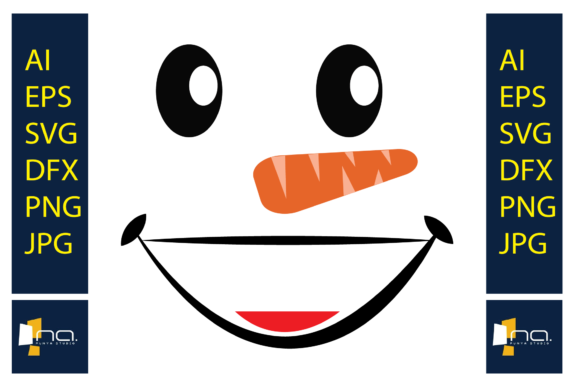
The mood this design sets is undeniably playful and lighthearted. The "Funny" aspect suggests a character with personality, likely featuring exaggerated features or a humorous expression that resonates well with modern gift-giving trends. For a small business owner or an Etsy seller, this kind of visual personality is gold. It moves beyond generic snowmen into something that feels like a brand asset. However, the transition from a 1920 px canvas to a stitched reality requires a designer's eye to ensure the humor lands correctly after the stitching process compresses the image.
Real-World Application: From Screen to Stitch
I recently considered using Christmas Snowman Funny for a custom embroidered tote bag intended as a boutique holiday gift. The concept was simple: a sturdy canvas bag with the snowman centered on the front pocket. My concern immediately shifted to the stitch density. If the design relies heavily on fill stitches to create the snowman's texture, it could become stiff and unwieldy on a flexible tote bag material. Conversely, if it uses too many running stitches, the definition might get lost against the rough weave of the canvas.
In this scenario, the design works best when balanced with the right stabilizer. A heavy-duty cut-away stabilizer would be essential to prevent the bag from puckering under the weight of the embroidery. The visual appeal of the finished product hinges on thread color contrast. If the background of the design is light, using dark threads for the outline ensures the "funny" expression pops, making the item stand out in a crowded craft fair booth. If the design includes text, I would scrutinize the lettering size carefully. Tiny details often disappear when stitched onto thick fabrics like denim or fleece, which are common choices for sweatshirt embroidery.
This same logic applies to baby items. A baby embroidery project requires softer touches and fewer dense stitch areas to avoid irritating delicate skin. If Christmas Snowman Funny has sharp corners or excessive detail, it might need simplification before being applied to a onesie or a soft plush blanket. The goal is to maintain the charm without compromising comfort. For a nursery decor piece, the design's ability to hold its shape over time is critical. Parents expect their handmade gifts to survive frequent washing, so the integrity of the machine embroidery design is paramount.
Navigating Fabric Challenges and Limitations
Not every surface is created equal, and knowing where to apply caution is what separates a hobbyist from a pro. While Christmas Snowman Funny is versatile, there are specific scenarios where it needs careful handling. Using this design on textured fabrics like corduroy or bouclé can obscure the finer details of the snowman's face. The uneven surface of the fabric interferes with the needle path, potentially leading to skipped stitches or a muddy appearance.
Stretchy fabrics present another hurdle. When working with knit materials for custom apparel, the natural stretch of the garment can distort the embroidery if the hoop size is not managed correctly. If the design is too large for the available hoop size, the edges may warp, ruining the symmetry of the snowman. Similarly, attempting to stitch this on dark fabric without proper underlay or thread coverage can result in the background showing through, dulling the vibrant colors intended by the original graphics.
Curved surfaces, such as caps or beanies, require special consideration. A flat design like this might look distorted when forced onto a curved brim unless the digitizing accounts for the curvature. In these cases, checking the digital embroidery file for any built-in adjustments is wise. If the design is provided as a basic vector conversion, you might need to manually adjust the placement to ensure the snowman sits upright and doesn't appear slanted on the final hat. Furthermore, products that need frequent washing, like kitchen towels or aprons, demand high-density stitching to prevent fraying. If the design has loose decorative accents, they might snag during the wash cycle, reducing the lifespan of the handmade product.
Impact on Brand Value and Customer Trust
The quality of your embroidery directly influences customer trust. In the world of craft business and Etsy sellers, a poorly executed design can make even the most creative idea look cheap. When a buyer receives a personalized gift or a boutique item, they are paying for the aesthetic perfection of the finish. If Christmas Snowman Funny appears misaligned, has visible thread breaks, or lacks crisp edges, it undermines the perceived value of the entire item.
A well-executed version of this design elevates the brand. It signals professionalism and attention to detail. For commercial embroidery projects, consistency is key. If you are producing a batch of holiday gifts, every single item must look identical. Variations in thread tension or fabric movement can lead to inconsistencies that customers notice immediately. By carefully planning the thread colors and ensuring the design fits the intended medium, you create a cohesive look that reinforces your brand identity.
The design also plays a crucial role in giftability. A funny, well-stitched snowman on a tote bag or a pillow cover becomes a conversation starter. It adds a personal touch that mass-produced items lack. However, this only happens if the design is executed flawlessly. The visual appeal of the finished product should match the excitement of the digital preview. If the real-life result falls short of the printable mockup, it creates disappointment. Therefore, the effort put into testing the design beforehand pays dividends in customer satisfaction and repeat business.
Essential Notes for the Embroidery Designer
Before you load the file into your machine, there are several practical steps you must take to ensure success. First, always test the embroidery file on scrap fabric that matches your final material. This allows you to check the stitch density and see how the design behaves under tension. You can spot potential issues like puckering or thread breaks early, saving you time and money on ruined inventory.
Review the stitch types included in the design. Does it rely too much on satin stitch for long lines? This can cause the thread to break or the fabric to pucker. Are there enough fill stitches to provide solid coverage, or does it rely on running stitch which might look sparse? Understanding the balance of these elements helps you decide if the design needs adjustment for your specific machine capabilities.
Confirm the hoop size requirements and ensure your machine can accommodate them. Check whether the design works for both personal use and commercial projects by reviewing the licensing terms provided with the digital product. If you plan to sell finished items, you must have the appropriate license. Additionally, inspect small details closely. Sometimes, fine lines in the original graphics get lost when converted to stitches, so verify that the key features of the snowman remain clear.
Finally, test the design in black and white mockups to assess the contrast and composition without the distraction of color. Compare how it looks on light versus dark backgrounds to determine the best thread combinations. Use proper stabilizers to support the fabric, and remember that the finished product is only as good as the preparation work behind it. By treating Christmas Snowman Funny with this level of scrutiny, you ensure that your embroidery project delivers the high-quality results that your customers expect.