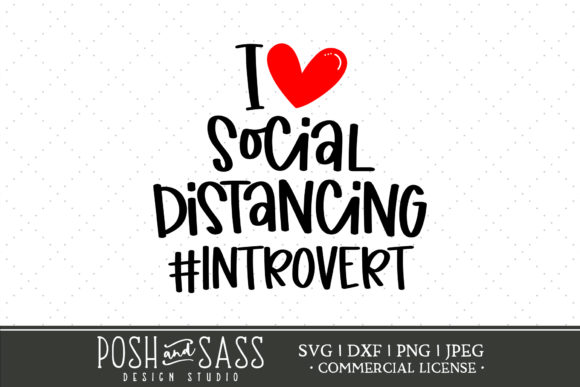
I Heart Social Distancing Cut File Review
When I first opened the files for the I Heart Social Distancing Cut File, my immediate reaction was a mix of amusement and practical scrutiny. As someone who has spent years turning digital vectors into tangible stitched products, I know that a clever concept does not always translate perfectly to thread. This design falls squarely into the Crafts and Graphics categories, but its true value lies in how it behaves under the needle during a real embroidery project.
The visual personality of this piece is distinctively modern and slightly irreverent. It captures a specific cultural moment with a playful nod to introversion. For an embroidery designer, the mood is right: it feels like something you would see on a boutique tote bag or a personalized gift for a friend who prefers their coffee quiet and their company minimal. However, before I commit to stitching this up for a client order, I need to evaluate the technical feasibility of translating these shapes into a durable machine embroidery design.
Real-World Application: The Tote Bag Test
Imagine a scenario where a small business owner needs a quick turnaround on a batch of custom tote bags for a local craft fair. They want something trendy, relatable, and easy to produce. The I Heart Social Distancing Cut File seems like the perfect candidate. The layout is clean, and the text is bold enough to be read from a distance. But here is where the rubber meets the road.
If I were to place this design on a heavy canvas tote, the stability of the fabric would support the stitches well. However, if the goal is to create a high-end embroidered patch or a delicate baby embroidery item, the density of the design becomes a critical factor. The heart shape combined with the text requires a balance between satin stitch for the outlines and fill stitch for the solid areas. If the fill is too dense, the fabric will pucker, ruining the professional look of the finished product. Conversely, if the density is too light, the design might look sparse and cheap on a dark background.
In a commercial setting, such as an Etsy listing, the presentation matters. A mockup showing this design on a soft sweatshirt or a crisp white tea towel can sell the idea instantly. But the reality of the finished product depends entirely on execution. Customers buying a personalized gift expect durability. They want to wash the item without worrying that the stitch density will cause the threads to break or the fabric to tear.
Navigating Fabric Challenges
One of the most common pitfalls I encounter when reviewing designs like the I Heart Social Distancing Cut File is the assumption that they work on every surface. This is rarely true. Textured fabrics, such as fleece or bouclé, can swallow fine details. Thin fabrics, like lightweight t-shirts or sheer curtains, require a very different approach to stabilizing than thick denim or canvas.
For stretchy fabrics, which are popular for sweatshirt embroidery and custom apparel, the risk of distortion is higher. The design needs to account for the natural movement of the material. If the file includes tiny lettering or intricate corners, those areas are prone to collapsing on a curved surface like a cap or a fitted hat. In these cases, a running stitch outline might be safer than a tight satin border to maintain clarity.
Dark fabrics present another challenge. While the contrast of a bright thread against black fabric looks striking in a digital preview, the actual thread coverage must be sufficient to hide the underlying color. If the design relies on negative space created by the fabric itself, it might fail once the thread is laid down. Always test your thread colors against the actual garment before committing to a bulk run.
Technical Considerations for Designers
Before I approve this file for any commercial embroidery project, I have a strict checklist. First, I inspect the hoop size requirements. Does the design fit within standard hoops, or does it require a specialized frame? Large designs often necessitate multiple hooping steps, which increases the risk of misalignment. For a tote bag design or a large kitchen towel, this is manageable, but for smaller items like a baby onesie or a small apron, the dimensions must be precise.
I also check the file structure. Is it optimized for the specific machine I am using? While the source is listed as a cut file (SVG/DXF), converting it for embroidery requires careful digitization. If the original vector lines are too thin or jagged, the resulting embroidery file may have gaps or rough edges. I prefer to review the design in black and white mockups to ensure the silhouette holds up without the distraction of color.
Stabilizer selection is non-negotiable. For a design with significant fill stitch areas, a cut-away stabilizer is usually necessary to provide long-term support, especially for items that will undergo frequent washing. Tear-away stabilizers might suffice for temporary projects, but for a small shop product intended to last, the foundation must be rock solid.
Strategic Use Cases
This design excels in specific contexts where humor and relatability drive sales. It is an excellent choice for holiday embroidery projects, particularly around times when social themes are prevalent. It also fits perfectly into the niche of gifts for introverts, making it a strong contender for digital product sellers looking to expand their catalog.
- Apparel Decorators: Ideal for back-of-shirt placements on hoodies or front-chest logos on polos.
- Etsy Sellers: Great for creating unique listings that stand out in search results due to the timely theme.
- Creative Entrepreneurs: Perfect for branding merchandise that aligns with modern, casual aesthetics.
- Hobbyists: A fun way to practice digitizing techniques and experimenting with different thread textures.
However, there are places where caution is advised. Small hoop sizes limit the detail you can include. If the design features tiny text or complex curves, it might become illegible when reduced. Similarly, decorative accents that rely on fine lines should be tested thoroughly to ensure they do not bunch up during stitching.
Making the Final Decision
The I Heart Social Distancing Cut File offers a compelling blend of wit and versatility. It has the potential to elevate a simple handmade product into a conversation starter. Whether you are creating a pillow cover for a nursery decor line or designing a wedding gift for a quirky couple, the design's visual appeal is undeniable.
But remember, the difference between a good design and a great one often comes down to the execution. Take the time to test on scrap fabric first. Check the stitch density and confirm the hoop size matches your production workflow. Inspect small details closely to ensure they hold up under magnification. Compare light and dark fabric backgrounds to verify the contrast works as intended.
Finally, never overlook the legal side. Confirm licensing terms before selling finished items or distributing the digital embroidery file. Ensure you have the rights to use the design for commercial purposes if you plan to sell the final product. By following these steps, you can turn a clever graphic into a reliable asset for your craft business.
In conclusion, while the I Heart Social Distancing Cut File is a fun addition to any library of design assets, it requires thoughtful application. When used correctly, it delivers a high-quality handmade product that resonates with customers. It proves that even a simple concept, when executed with care and precision, can become a standout piece in the world of embroidery.