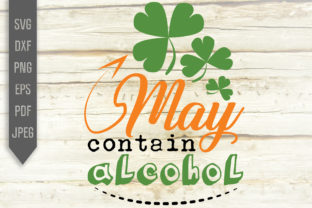
May Contain Alcohol Graphics for Crafts and Creative Publishing
In my years as a digital publisher and blog designer, I have learned that the success of content marketing often hinges on the first visual impression. A graphic design asset must do more than just look pretty; it needs to establish an immediate editorial mood that aligns with your brand identity. Recently, I evaluated a specific May Contain Alcohol design intended for St. Patrick's Day campaigns, and it offered a fascinating case study in how playful visuals can be integrated into serious publishing workflows without compromising reader trust.
This review focuses on the practical application of this asset within a real website environment. It is not merely a decorative element but a strategic tool for content marketing and affiliate marketing. When used correctly, assets like this can transform standard blog posts into engaging visual experiences that drive clicks and foster community engagement.
The Editorial Mood and Reader Perception
Upon first examining the May Contain Alcohol graphic, the immediate takeaway was its distinctively playful and lifestyle-focused tone. In the world of editorial design, mood is everything. This design does not attempt to be corporate or overly formal; instead, it embraces a bold, humorous personality that screams celebration. For a niche audience interested in lifestyle, humor, or seasonal festivities, this asset creates an instant connection.
However, the challenge lies in maintaining professional credibility while leveraging such a fun theme. The design features elements reminiscent of a St. Paddy s Drinking Shamrock Shirt concept, which suggests a casual, relatable vibe. When placed on a website, it signals to the reader that the content inside is approachable and entertaining. It works exceptionally well for blogs that balance entertainment with utility, such as those covering party planning, gift guides, or light-hearted social commentary. If your site aims for a strictly academic or high-stakes financial tone, this digital download might clash with your established brand identity. But for a creative entrepreneur or small business owner looking to inject personality into their web design, it offers a unique opportunity to stand out.
Strategic Applications in Real Publishing Workflows
I tested this asset across various stages of a typical content creation pipeline, and the results were promising for specific use cases. The versatility of the file allows it to serve multiple functions within a comprehensive visual hierarchy.
- Pinterest Pins and Social Media Graphics: This is where the asset shines brightest. On platforms driven by discovery, like Pinterest, a humorous and bold image stops the scroll. Using the May Contain Alcohol design as a featured image for a "Best St. Patrick's Day Recipes" article or a "Party Planning Checklist" increases click-through potential significantly. The text-heavy nature of the original concept translates well when adapted into a clean Pinterest pin layout.
- Newsletter Headers and Banners: Email open rates depend heavily on subject lines and preview images. Incorporating this graphic into a weekly newsletter header for a March edition adds a festive touch that subscribers appreciate. It humanizes the sender and breaks up the monotony of standard text-based emails.
- Digital Guides and Lead Magnets: For those creating digital products like eBooks or downloadable worksheets, this design can serve as a cover image. Imagine a free guide titled "The Ultimate Holiday Party Planner" featuring this artwork. It sets expectations immediately that the content will be fun and actionable.
- Category Thumbnails and Blog Graphics: On a homepage or category page, using this asset to represent a "Seasonal Celebrations" or "Holiday Fun" section helps users navigate your site intuitively. It provides a strong visual cue that distinguishes festive content from evergreen articles.
Enhancing Performance and Visual Identity
Why should you invest time in selecting the right design assets? The answer lies in performance metrics. A cohesive visual system improves reader trust and makes your content appear more polished. When a website header or article thumbnail looks professionally designed, readers subconsciously assume the information within is reliable.
The May Contain Alcohol graphic supports this by offering a clear focal point. In a sea of generic stock photos, a custom or unique vector design like this establishes a stronger visual identity. It tells your audience that you care about the details of your presentation. Furthermore, for small business branding, having a library of themed graphics allows you to maintain consistency across all channels, from your blog to your social media profiles. This consistency is crucial for building a recognizable creative design footprint in a crowded marketplace.
Where to Use and Where to Exercise Caution
While the potential is high, context is king. There are specific scenarios where this asset fits perfectly, and others where it could undermine your professional goals.
Best Suited For: Hero images on landing pages dedicated to holiday events, article thumbnails for lifestyle blogs, social media previews for Facebook and Instagram, and digital ad creatives targeting a younger, fun-loving demographic. It also works well as an accent in Canva templates for user-generated content campaigns.
Use With Care: Be cautious when placing this on mobile devices with very small thumbnails, as intricate details may get lost. Avoid using it on websites that cater to serious professional niches, such as legal advice, medical journals, or corporate finance, unless you are writing a specific piece about work-life balance or holiday stress. Additionally, if your current modern design aesthetic relies on extreme minimalism and negative space, this busy, text-heavy graphic might feel too loud and disrupt the flow of the page.
Practical Publisher Notes for Implementation
Before integrating any commercial design into a monetized website, there are technical and legal steps you must take. First, always verify the commercial license included with the St Patrick T-shirt Digital download. Ensure you have the right to use the image on affiliate pages or paid content products.
From a technical standpoint, testing is non-negotiable. I recommend the following workflow:
- Screen Testing: Preview the image on both desktop and mobile screens to ensure it retains its impact at different resolutions.
- Thumbnail Check: View the image at 150x150 pixels to confirm the text remains legible and the core message is clear.
- Contrast and Readability: Test the graphic against your background colors. Does it pop, or does it blend in? Ensure there is sufficient contrast for accessibility.
- Typography Pairing: Try placing the graphic beside serif fonts, sans-serif fonts, and script styles. See how it interacts with your existing headlines. Sometimes a handwritten font complements the playful nature of the design, while a bold display font might compete with it.
- File Optimization: Review the file size for web performance. Large images slow down load times, which hurts SEO. Compress the image properly before uploading it to your CMS.
By treating your graphics as a critical component of your content strategy rather than an afterthought, you elevate the entire user experience. Whether you are designing a lead magnet, updating your media kit, or simply refreshing your blog's aesthetic, choosing the right visual language is essential. The May Contain Alcohol asset proves that even seasonal, humorous themes can be powerful tools for effective web design when applied with intention and precision.